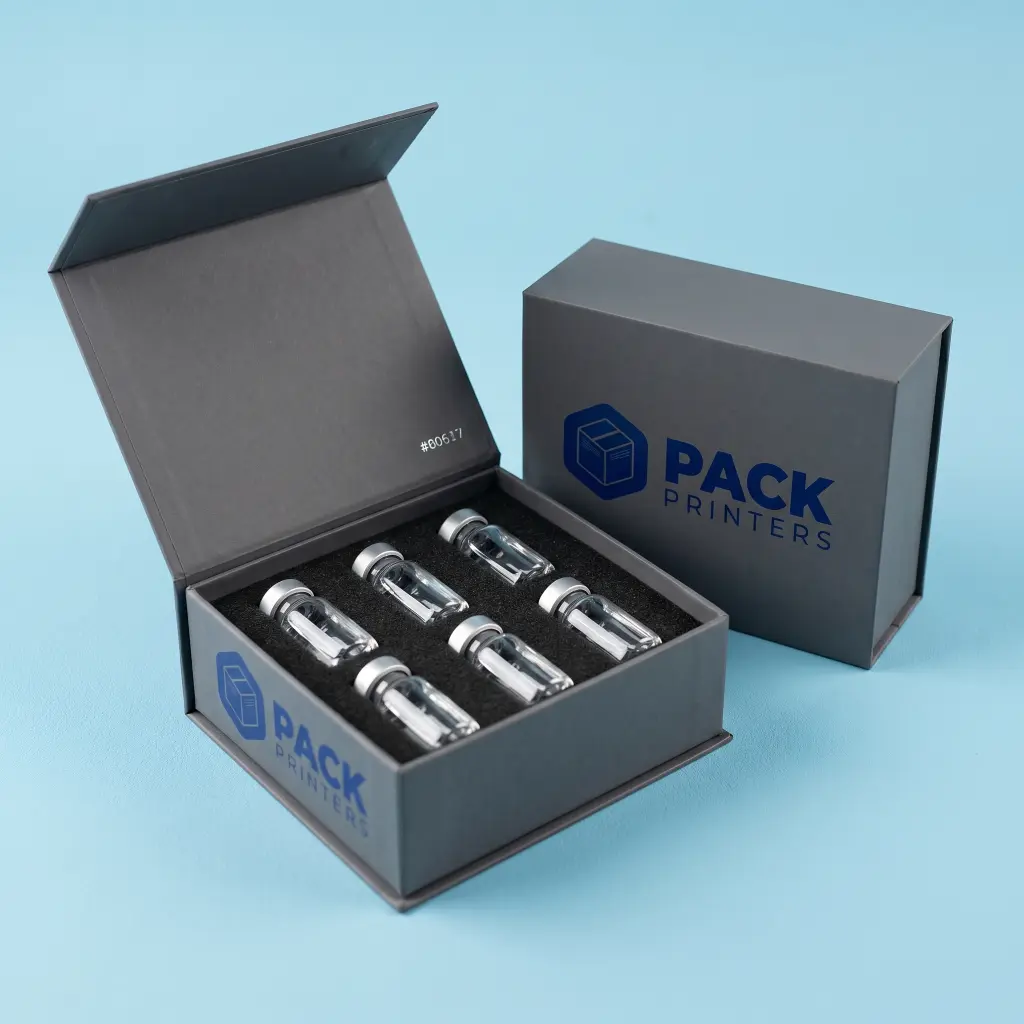
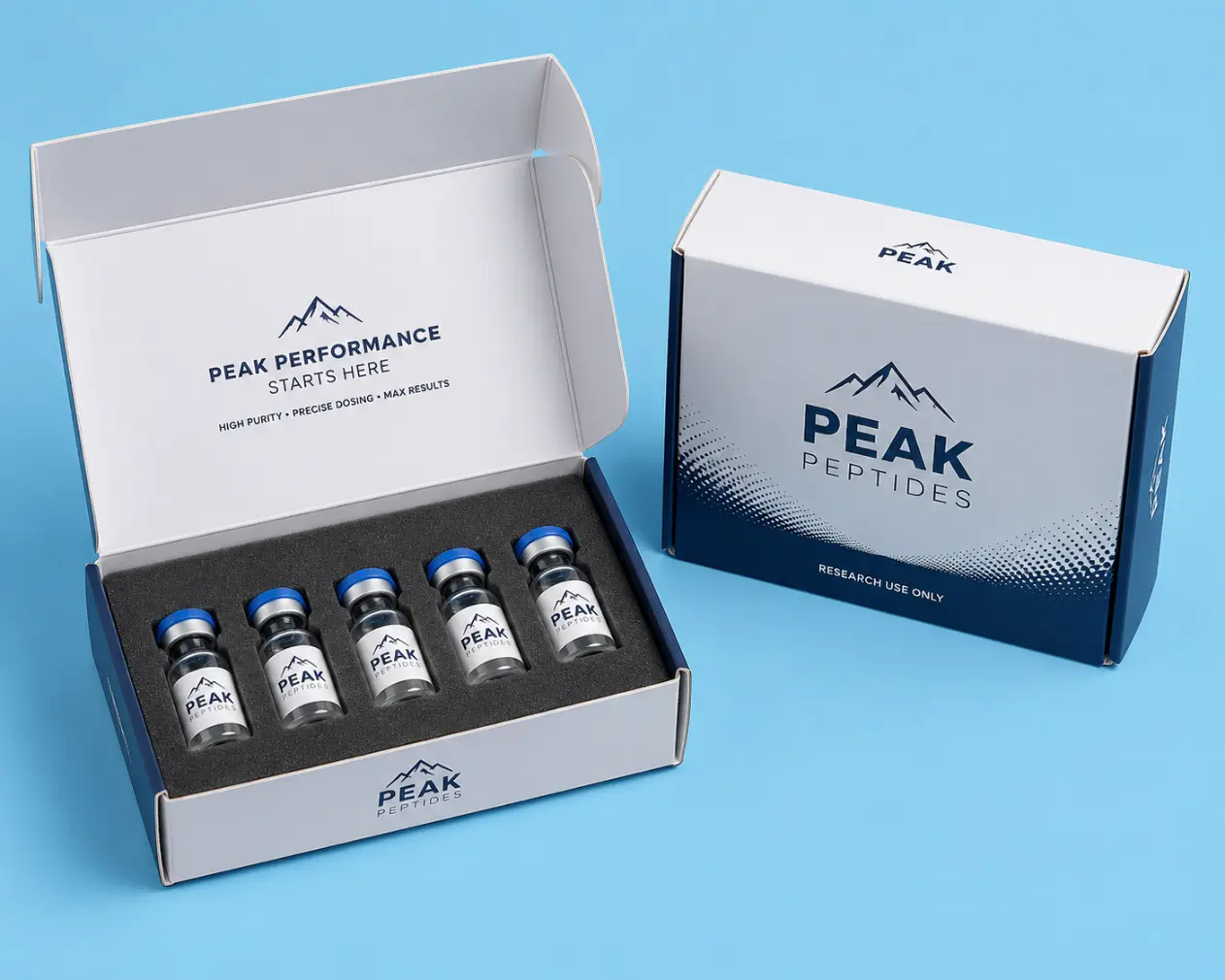
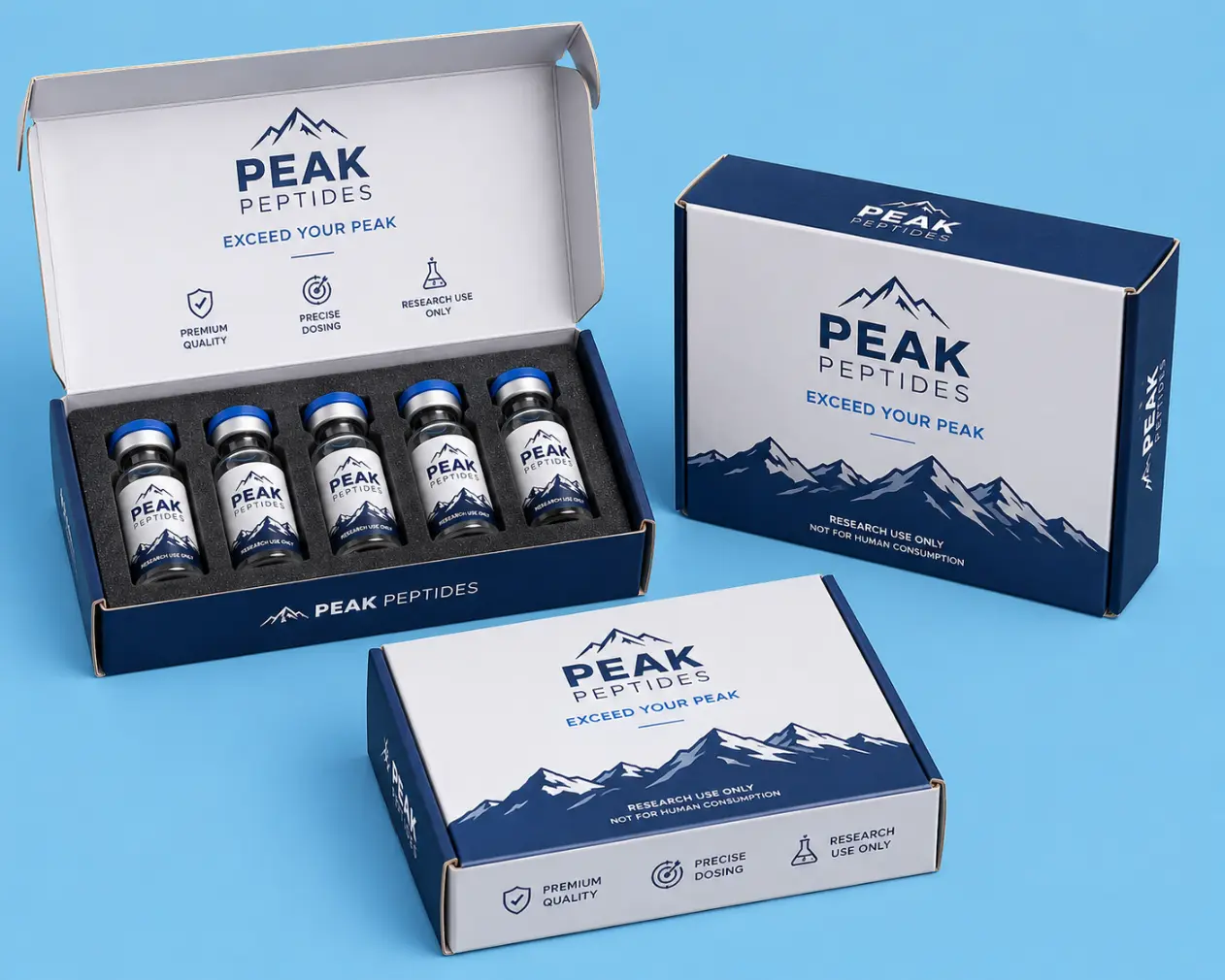
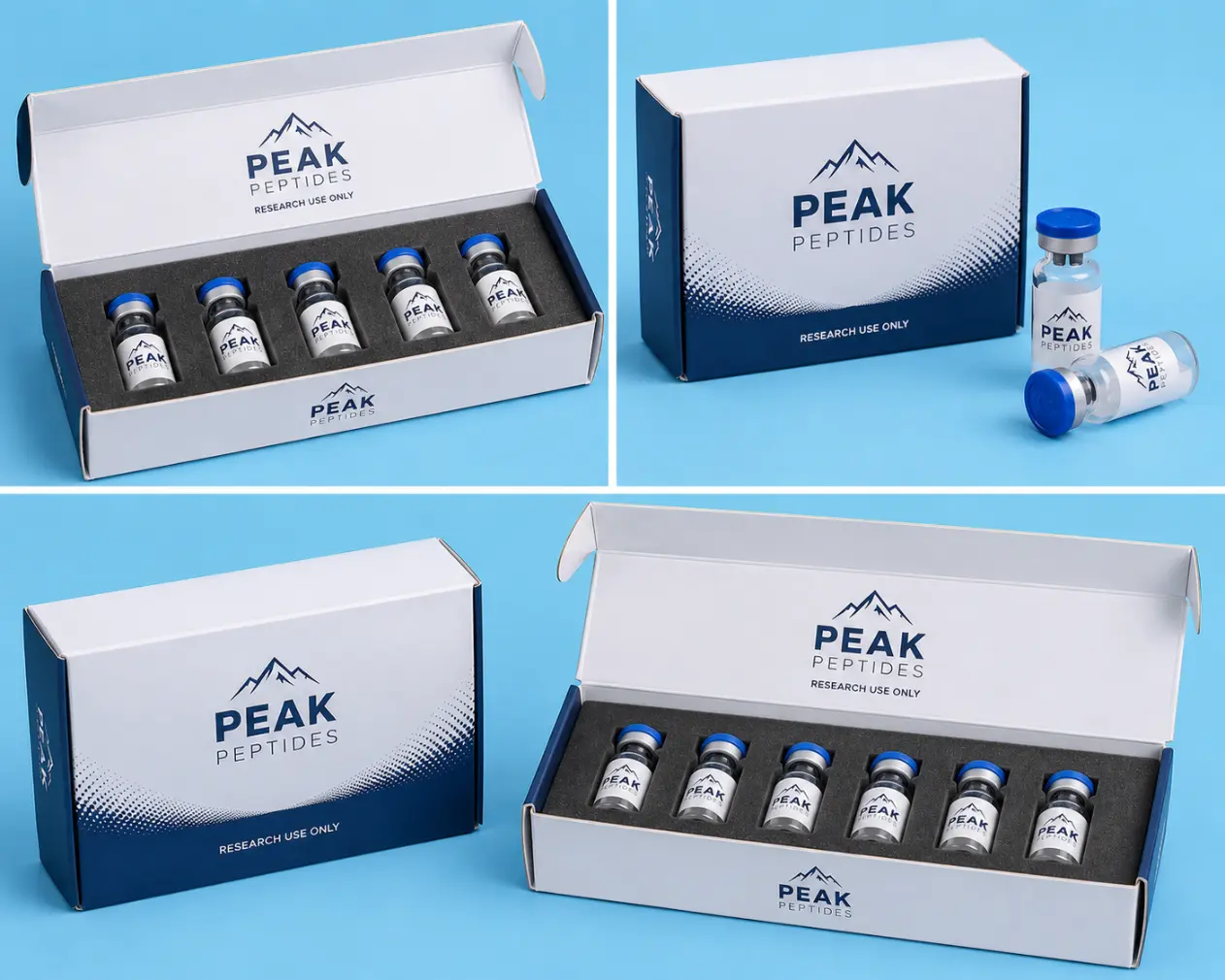
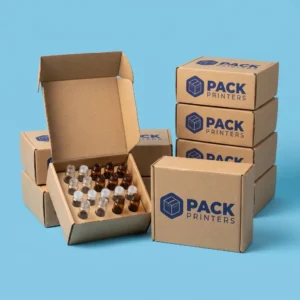
A vial box without a properly engineered insert is just a cardboard sleeve with good intentions. Glass dropper bottles, essential oil vials, roll-on applicators, and precision cosmetic vessels all share the same vulnerability: they are smooth cylinders in a box that is subject to drops, vibration, and compression at every point between your production floor and your customer’s hands.
The foam insert solves that vulnerability at the design stage, not after the first breakage claim. At Pack Printers, the outer box and the foam insert are engineered together as a single system cavity diameter and depth sized to your exact vial, foam density selected for the product weight and fragility level, and box style chosen to complement both the insert geometry and the unboxing experience you want to deliver. Whether you are launching a 10 ml essential oil SKU at a farmers market or scaling a 30 ml luxury serum into specialty retail, the box-and-insert system is where brand and protection converge.
Glass droppers are the highest-risk vial format in cosmetics: thin-walled, heavy for their size, and fitted with a rubber bulb that can deform under sustained pressure. A routed PE or EVA foam insert cradles the body of the dropper while a recessed cavity at the neck prevents the bulb from bearing weight in transit. The result is zero-rattle security in a package that opens to reveal the product as intended upright, pristine, and professional.
Essential oils are dense, the vials are small, and the combination makes for a high-energy projectile in a poorly fitted box. Die-cut PE foam in a straight tuck-end kraft box is the standard configuration for 5–15 ml essential oil SKUs: snug cavity, adequate floor cushion, and no secondary movement. For multi-oil gift sets, partitioned foam blocks with individual cavities keep a set of six vials as secure as a single one.
At premium price points, the unboxing experience is part of the product. A rigid lid-and-base box with a two-piece routed foam cradle, soft-touch laminated exterior, foil-stamped logo, EVA foam in a brand-matched color communicates before the product is in hand that this is not a commodity purchase. The foam insert in the luxury segment is as much a presentation tool as a protective one.
Tincture dropper bottles in the wellness and CBD category carry regulatory labeling requirements and are often shipped direct-to-consumer across long distances. A foam-lined mailer box combines the protection of a die-cut insert with the rigidity of a corrugated or solid-board outer shell, no poly bags, no void fill, no hope-for-the-best packing. Compliance copy, batch codes, and QR panels are built into the dieline so regulatory text is never an afterthought on a printed surface.
Professional amenity sets shipped to spas and hotels need uniform presentation at volume and zero breakage across a supply chain that involves freight, not just last-mile parcel delivery. Molded pulp inserts with standardized vial cavities are the workhorse here: low cost per unit at volume, fully compostable, and consistent cavity geometry across every carton in a pallet.
Subscription brands shipping vial inserts or sample-size products need a system that survives ISTA-certified e-commerce drop tests without the cost of a full rigid setup box per unit. A scored PE foam slab inside a branded kraft mailer delivers the necessary protection at DTC economics and the foam insert becomes part of the brand story when it is visible at opening.
The foam material determines protection level, presentation quality, eco credentials, and cost. Here is how the five main options compare across the criteria that matter for vial packaging:
| Foam Type | Density | Best For | Protection Level | Eco Option? |
| Polyethylene (PE) | 1.5–6 lb/ft³ | Heavy glass vials, fragile dropper bottles | High – excellent shock absorption | Recyclable (check local program) |
| Polyurethane (PU) | 1.2–4 lb/ft³ | Cosmetic serums, lightweight vials | Medium-High – soft cushion, conforms well | Limited recyclability |
| EVA Foam | 2–5 lb/ft³ | Essential oil vials, gift-set inserts | High – closed-cell; moisture resistant | Partially recyclable; durable long life |
| Molded Pulp | N/A | Eco-brand vials, sustainable gift lines | Medium – rigid cradle; limited flex | Compostable & recyclable, best eco profile |
| Die-Cut Kraft Board | N/A | Belly-band sets, lightweight vials | Low-Medium – positional, not cushioning | 100% paper; FSC® available |
For most cosmetic and wellness vials shipped D2C, PE or EVA foam delivers the best balance of protection, cost, and fit precision. Molded pulp is the right call when eco certification is a brand pillar and the vial format is standardized enough to justify the tooling.
The outer box structure and the foam insert are engineered together. Choosing the wrong box style for an insert type is how you end up with a beautiful outer box and a foam block that does not fit cleanly. Here are the pairings that work:
| Box Style | Insert Type | Best Vial Format | Typical Use Case |
| Straight Tuck-End | Die-cut PE or EVA | Single vial, 5–30 ml | Retail serum, essential oil SKU |
| Sleeve + Tray | Full foam block, cavity routed | Single premium vial, 15–50 ml | Luxury cosmetic, high-end gift |
| Rigid Lid + Base | Two-piece foam cradle | Fragile glass, 20–100 ml | Gift set, retail launch kit |
| Multi-Vial Set Box | Partitioned foam with individual cavities | 2–6 vials, matching or mixed | Subscription kit, spa amenity set |
| Mailer Box | Scored PE slab or molded pulp | Any vial shipped DTC | D2C brand, e-commerce subscription |
| Belly Band + Tray | Kraft board divider, EVA base | Paired vials, sample duos | Brand samplers, trade-show gifting |
Not sure which pairing fits your vial? Send us your vial dimensions, target price point, and whether the primary channel is retail, DTC, or gift, we will specify the right box-and-insert system before the dieline stage.
Foam insert performance is a function of cavity geometry. Too loose and the vial moves; too tight and insertion force damages labels or cap seals. The table below gives starting-point cavity dimensions for common vial formats. All final specs are confirmed against a submitted vial sample before dieline lock.
| Vial Format | Outer Diameter | Recommended Cavity Ø | Foam Floor Thickness |
| 5 ml roll-on | 0.60–0.65″ | 0.55–0.60″ (snug) | 0.25–0.375″ |
| 10 ml essential oil | 0.75–0.80″ | 0.70–0.75″ | 0.25–0.375″ |
| 15 ml dropper bottle | 0.90–1.00″ | 0.85–0.95″ | 0.375–0.50″ |
| 30 ml serum dropper | 1.10–1.25″ | 1.05–1.20″ | 0.375–0.50″ |
| 50 ml glass vial | 1.40–1.60″ | 1.35–1.55″ | 0.50–0.625″ |
| Custom multi-vial | Varies | Per individual vial spec | Min. 0.25″ between cavities |
Standard tolerances: ±1/32 in on routed cavities; ±1/16 in on die-cut foam; ±1/16 in on outer box cut dimensions. For vials with asymmetric geometry (flat-sided, custom neck profiles, integrated droppers), submit a physical sample for a fit check. We do not lock dielines on custom geometries without a sample confirmation.
The outer box panels are your primary brand surface. Foam-insert formats especially sleeve-and-tray and lid-and-base change the visible panel geometry versus a standard tuck-end box. Follow these rules to avoid file errors:
The foam insert protects the product. The outer box sells it. Print and finish options for foam-insert vial boxes follow the same rules as standard vial boxes, with one additional consideration: heavier structural formats (lid-and-base, rigid sleeve) handle premium finishes soft-touch lamination, foil, emboss better than lightweight tuck-end cartons because the board weight supports the process without warping.
| Finish / Print Option | Best Application | Brand Effect |
| CMYK Digital Print | Short runs, multicolor artwork | Photographic detail; accurate to proof |
| Pantone® Spot Color | Brand-critical solid hues | Precise, repeatable color match |
| Soft-Touch Matte Lam | Luxury cosmetics, premium wellness | Velvety tactile surface; anti-scuff |
| Gloss UV Coating | Retail shelf-impact vials | High-shine; deepens color saturation |
| Hot Foil Stamping | Logo panel, brand mark | Gold/silver metallic accent; luxury signal |
| Emboss / Deboss | Tactile brand hits, texture detail | Dimensional logo; survives repeated handling |
| Spot UV | Selective shine on matte base | Premium contrast; draws eye to logo |
| Window Patch (PET) | Product-visible front panel | Consumer sees vial before opening |
For natural kraft outer boxes, we recommend lighter ink coverage and earth-tone Pantone palettes. White SBS and coated chipboard handle the full range of finishes, including solid flood coverage, metallic foil, and soft-touch lamination, without surface tension issues.
Every foam-insert vial box order follows a structured production and quality workflow. Here is what happens between order approval and your door:
For products with fragrance oil content or high-volatility essential oils, we recommend closed-cell EVA or PE foam over open-cell PU to minimize oil absorption into the insert over shelf life. We flag this recommendation at the material specification stage not after production.
Foam inserts are not universally eco-friendly. We do not pretend otherwise. Here is an honest account of where each option lands and what you can do if sustainability is a brand priority:
We will help you specify the highest-sustainability configuration that still meets your product’s protection requirements. The goal is not greenwashing it is finding the genuine best option for your specific vial, channel, and brand.
Four steps: submit your vial dimensions and quantity, receive a digital proof and insert specification, approve both to start production, receive finished boxes at your door. Here is everything you need to know before you submit:
| Specification | Details |
| MOQ | 100 units per SKU (box + foam insert combined) |
| Standard Lead Time | 10–12 business days after proof and insert spec approval |
| Rush Lead Time | 6–8 business days ask about availability at order |
| Pantone® Matching | Free provide codes; we match on outer box stock |
| Pre-Production Sample | Physical box + foam sample available; 3–5 days after file approval |
| Insert Fit Check | Submit vial sample for dimensional verification before dieline lock |
| File Formats | AI, PDF (vector, text outlined); raster at 300 dpi minimum |
| Bleed / Safe Zone | 0.125″ bleed all sides; 0.0625″ safe zone for critical copy |
| Ships From | United States fast domestic turnaround |
To start your order or request a quote, contact our team directly:
Email: info@packprinters.co.uk
A prestige skincare brand was introducing a 30 ml glass dropper serum into a specialty retailer alongside a DTC launch. Their requirements: packaging that justified a premium price point, zero breakage through retail distribution, and a physical sample before production commit. We specified a rigid lid-and-base box in 600 gsm white SBS board with soft-touch matte lamination, gold hot foil on the lid panel, and a two-piece routed EVA foam cradle in a custom blush tone matched to the brand palette. The foam cavity was confirmed against a submitted dropper sample before dieline lock. Production delivered 500 units in 11 business days. Breakage rate through retail distribution: zero. The brand cited the unboxing moment lid lifted to reveal the dropper cradled in tonal foam as a key driver of first-order repurchase and gifting behavior in post-purchase surveys.
Not every protection strategy is equal, and the wrong choice costs money at different points in the supply chain. Here is an honest comparison:
For any vial format with a retail or premium DTC channel, foam inserts are the correct specification. The cost differential between foam inserts and loose fill is recovered on the first prevented breakage claim.
You are not buying a box and a piece of foam separately and hoping they fit together. At Pack Printers, the outer box and the foam insert are engineered as a single system from the first brief. You get a packaging engineer’s eye on every order: cavity geometry verified against your vial, foam density matched to product fragility, box structure calculated for the insert load, and print dialed for the chosen substrate.
Low MOQs, free Pantone® matching, fast U.S. turnaround, and physical pre-production samples make it practical to launch new SKUs without over-committing inventory. When you scale, the spec scales with you.
Ready to engineer a vial box that protects as well as it sells? Send your vial dimensions, target quantity, and channel we will come back with a system specification, dieline, and same-day quote.
Free Design Support
Free Custom Box Dieline
Free Shipping